
IVF treatment is one of the most advanced and widely recommended fertility solutions for couples facing difficulty in conceiving naturally. At She Delhi, we offer evidence-based IVF care with a personalised approach, helping couples move forward with clarity, confidence, and compassionate support. Whether infertility is related to age, low ovarian reserve, blocked tubes, male factor issues, endometriosis, or unexplained causes, IVF can offer a structured path toward pregnancy under expert supervision.
IVF, or In Vitro Fertilization, is an assisted reproductive technology in which eggs are retrieved from the ovaries and fertilized with sperm in a controlled laboratory environment. The resulting embryo is then monitored and transferred into the uterus at the most appropriate time.
IVF may be recommended when simpler fertility treatments are unlikely to be successful or when a couple has already tried other options without result. It is commonly advised in cases of blocked fallopian tubes, severe endometriosis, low ovarian reserve, multiple failed IUI cycles, male factor infertility, or unexplained infertility.
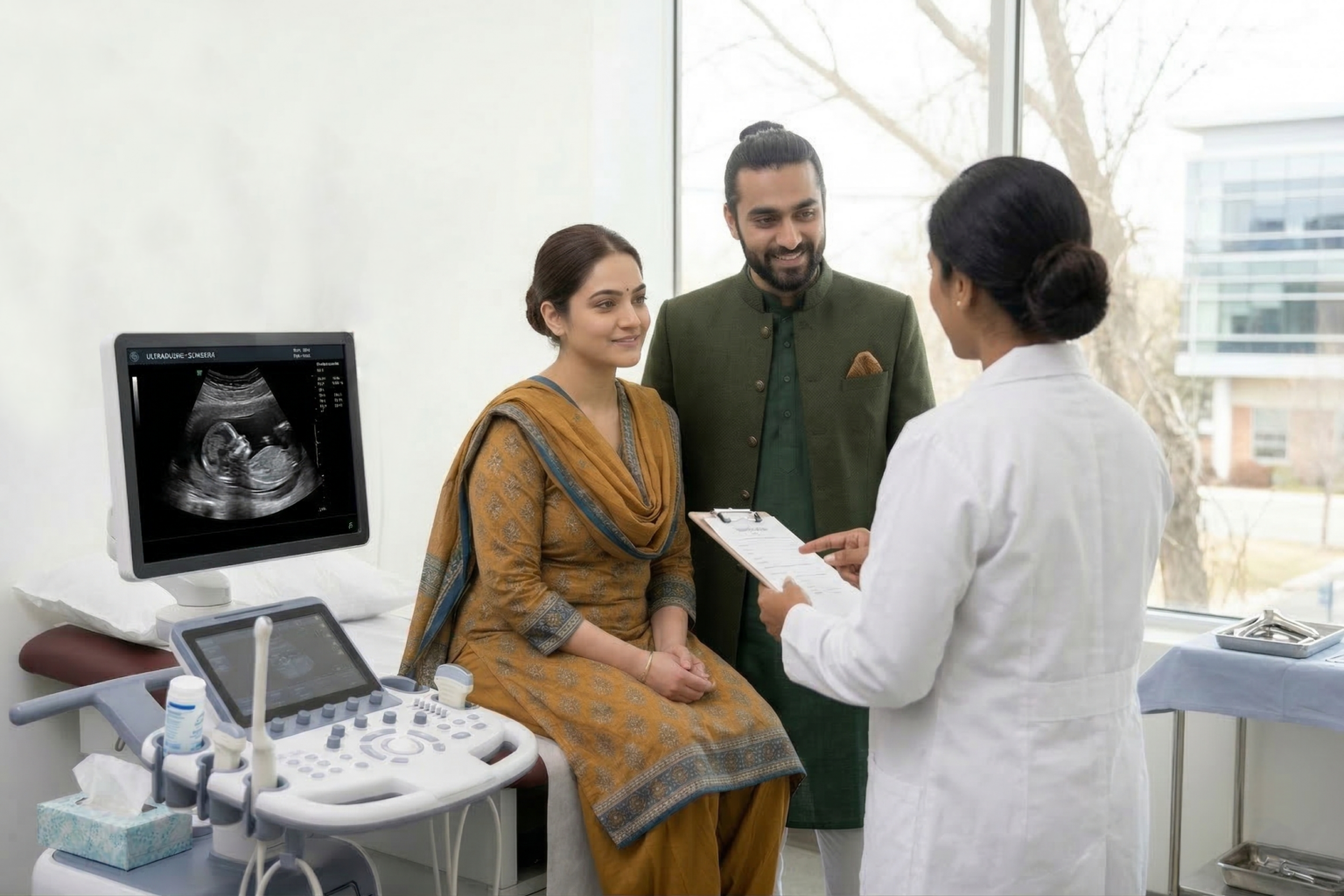
At She Delhi, IVF is not treated as a one-size-fits-all procedure. Every cycle is planned after evaluating age, hormonal profile, AMH level, menstrual history, ultrasound findings, semen parameters, prior treatment records, and overall reproductive goals.
You may be advised to consider IVF if you have one or more of the following:


Infertility itself may not always cause obvious symptoms. Many couples discover the need for IVF only after fertility evaluation.

At She Delhi, the decision to move to IVF is made only after proper consultation and investigation.
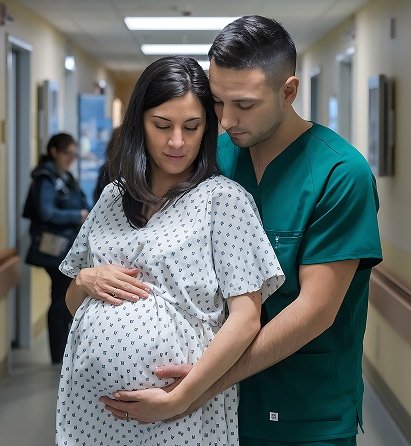
IVF is not just a medical procedure — it’s a journey filled with hope, resilience, and emotional strength. For many, it represents a second chance at building the family they’ve always dreamed of. With supportive care and advanced technology, IVF continues to be a beacon of possibility in the field of reproductive health.
Helping individuals and couples.
Helping individuals and couples.
Helping individuals and couples.
IVF is not just a medical procedure — it’s a journey filled with hope, resilience, and emotional strength. For many, it represents a second chance at building the family they’ve always dreamed of. With supportive care and advanced technology, IVF continues to be a beacon of possibility in the field of reproductive health.
Your IVF journey begins with a detailed consultation. We review menstrual history, ovarian reserve markers, ultrasound findings, previous treatment records, semen analysis, and other relevant tests. This helps our team create a personalised IVF strategy.
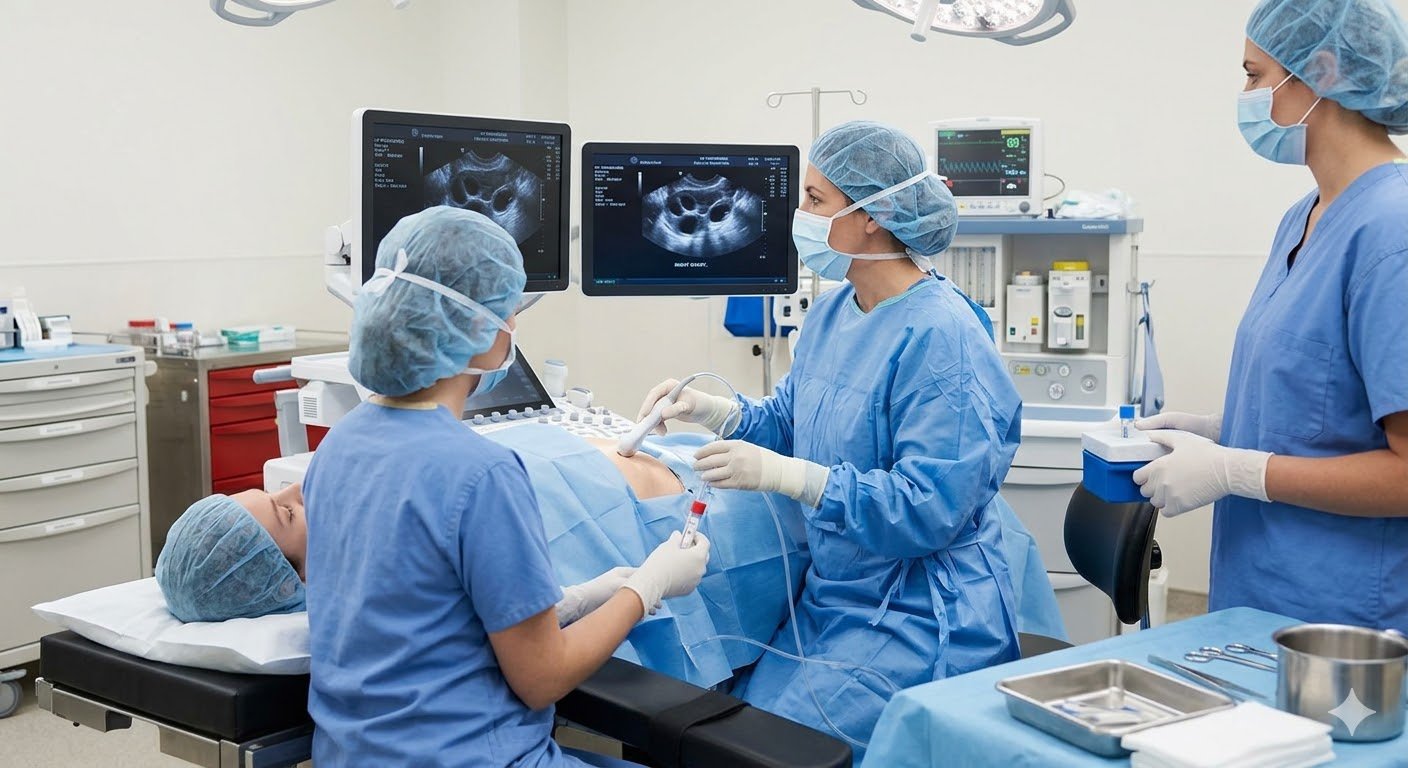
The ovaries are stimulated with fertility medications so that multiple eggs can mature in one cycle. Throughout this phase, ultrasound scans and hormone monitoring help us track the response carefully.
Once the follicles reach the right stage, a trigger injection is given and egg retrieval is planned. This is a short, planned procedure performed under medical supervision.
The retrieved eggs are fertilized with sperm in the embryology laboratory. Depending on the clinical need, fertilization may happen through conventional IVF or ICSI.
The embryos are monitored for growth and quality. In selected cases, extended culture to blastocyst stage, embryo freezing, or preimplantation genetic testing may be advised.
A healthy embryo is transferred into the uterus in a carefully timed procedure. In some cases, transfer may happen in the same cycle, while in others a frozen embryo transfer may be planned later for better endometrial preparation.
After the transfer, the patient is given medication support and follow-up instructions. A pregnancy test is usually done after the advised waiting period.
The main advantage of IVF is that it can overcome several different fertility barriers in a controlled, scientifically monitored way. It offers better chances than basic treatments in appropriately selected cases and allows access to advanced reproductive techniques such as ICSI, embryo freezing, blastocyst culture, and genetic testing where needed.
IVF is usually considered when pregnancy is not happening naturally and simpler treatments are either unsuitable or have already failed.
Most steps are manageable under medical supervision. Some women may experience discomfort during injections, scans, or recovery after egg retrieval, but the team guides patients throughout the cycle.
A standard IVF cycle often takes a few weeks, although the full timeline may vary depending on tests, medication response, and whether a fresh or frozen embryo transfer is planned.
Not always. Success depends on many medical factors, and some couples may need more than one cycle.
Yes. IVF, especially when combined with ICSI or sperm retrieval techniques, can help in many male factor infertility cases.
Yes. Age plays a major role in egg quality and overall reproductive potential, which can affect IVF outcome.
Yes. In suitable cases, embryos can be cryopreserved and used in future cycles.

Copyright © 2025 Sampurna Health Enclave Pvt Ltd All Rights Reserved.