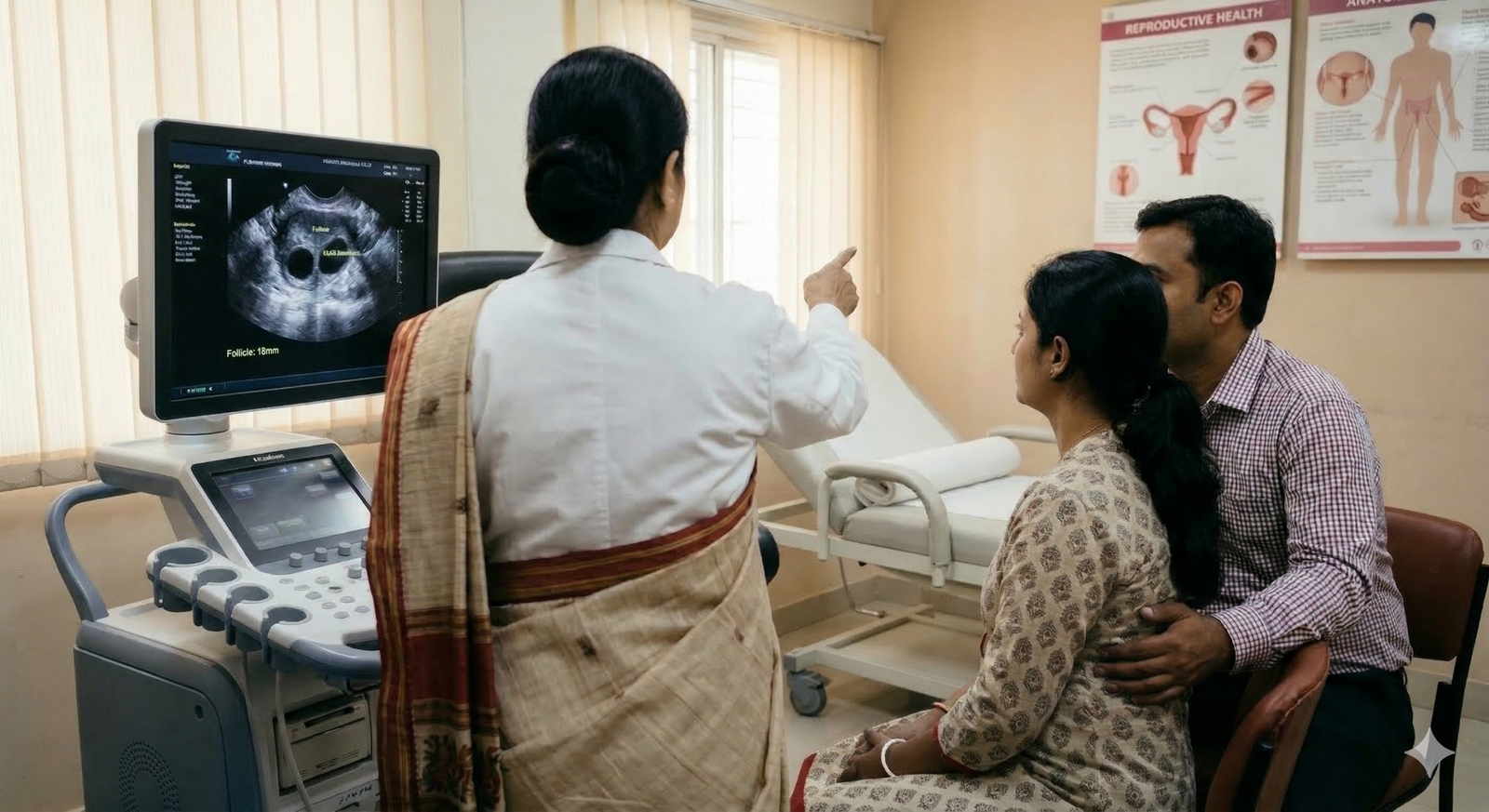
Poor ovarian response is a fertility condition in which the ovaries respond weakly to stimulation and produce fewer eggs than expected during treatment. At She Delhi, we understand that this diagnosis can feel discouraging, especially for women who are already emotionally invested in planning pregnancy. Our approach focuses on careful evaluation, personalised fertility planning, and evidence-based treatment strategies designed around each woman’s age, ovarian reserve, hormone profile, and reproductive goals.
Poor ovarian response is usually seen when the ovaries do not yield an adequate number of follicles or eggs, particularly during ovulation induction or IVF stimulation. It may be associated with low AMH, reduced antral follicle count, age-related decline in ovarian reserve, previous ovarian surgery, endometriosis, genetic factors, or unexplained ovarian insufficiency.
This does not always mean pregnancy is impossible. It means fertility treatment needs to be planned with more precision. At She Delhi, we assess ovarian reserve markers, past treatment history, menstrual pattern, ultrasound findings, and associated infertility factors before deciding the most suitable treatment path.
Common causes or associated factors include:


At She Delhi, not every low-response patient is managed the same way. The treatment plan depends on age, overall fertility profile, uterine status, sperm parameters, and whether time-sensitive fertility planning is needed.

If you have been told you have low AMH or poor ovarian response, timely guidance matters.
IVF is not just a medical procedure — it’s a journey filled with hope, resilience, and emotional strength. For many, it represents a second chance at building the family they’ve always dreamed of. With supportive care and advanced technology, IVF continues to be a beacon of possibility in the field of reproductive health.
Helping individuals and couples.
Helping individuals and couples.
Helping individuals and couples.
We begin with ovarian reserve testing, ultrasound follicle count, menstrual history review, hormone testing, and previous treatment analysis.
Depending on the case, the doctor may suggest ovulation induction, modified stimulation, IVF planning, embryo freezing strategy, or timely fertility preservation counselling.
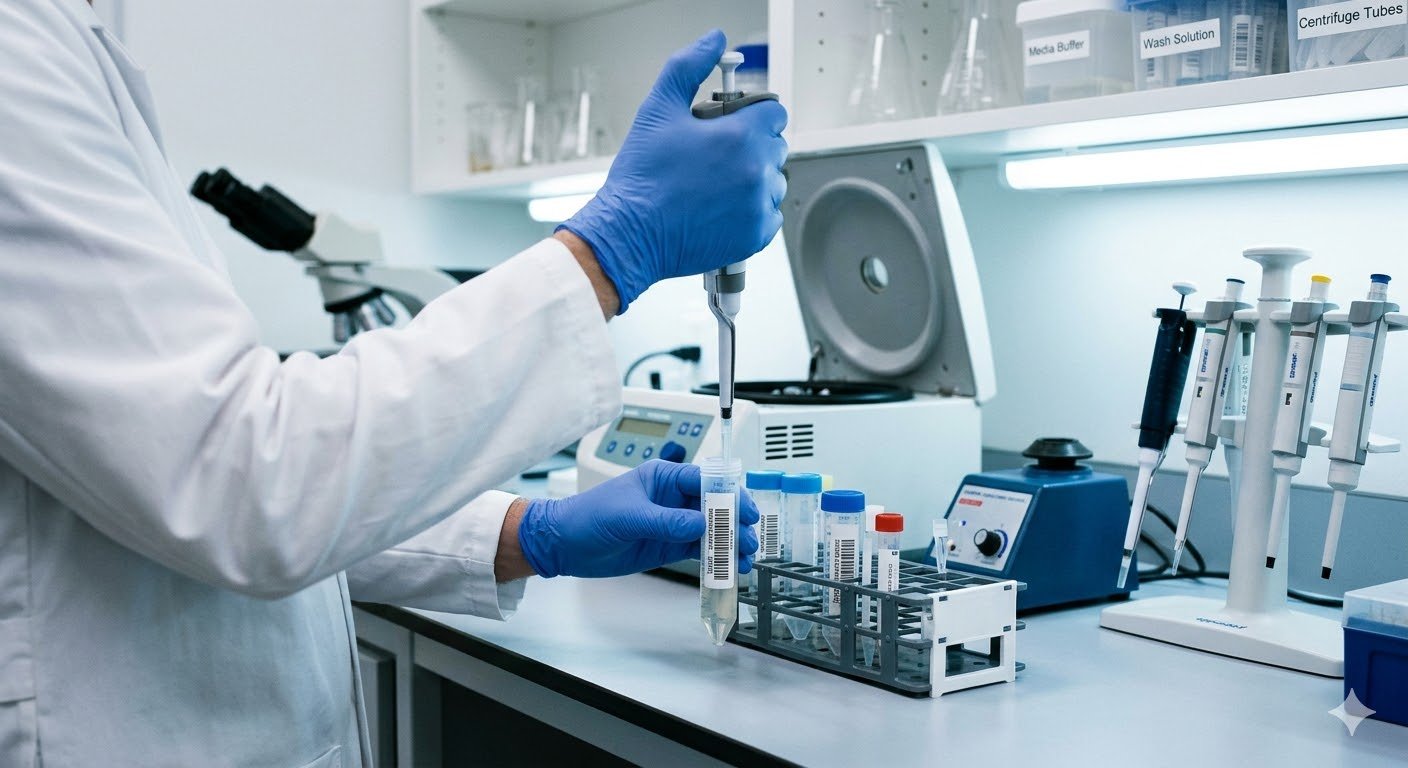
If IVF or assisted conception is being planned, the ovarian response is closely monitored through scans and hormone review so medication adjustments can be made when necessary.
In suitable patients, eggs are retrieved and fertilized under IVF/ICSI planning. In others, the treatment goal may be cycle optimisation, timed conception support, or fertility preservation planning.
Embryo development, transfer strategy, or freezing decisions are taken according to egg yield, embryo quality, and uterine readiness.

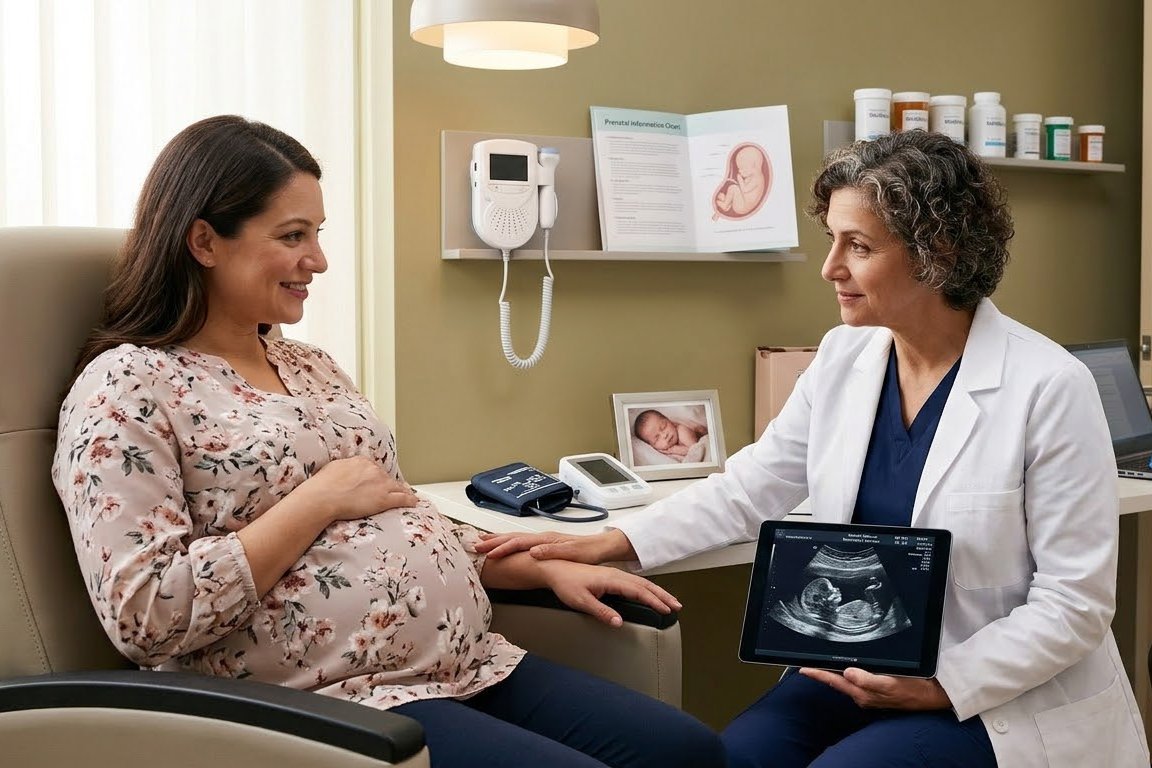
The biggest benefit of proper poor ovarian response management is that it helps avoid generic treatment and focuses instead on realistic, time-sensitive, patient-specific planning. In the right hands, even women with lower ovarian reserve can receive a treatment plan that is better aligned with their biological condition and reproductive timeline.
Success depends on several factors including age, egg quality, ovarian reserve, sperm quality, uterine condition, and the chosen treatment method. While success may be lower than in women with normal ovarian response, early consultation and structured planning can make an important difference.
No. It means treatment planning may need to be more individualised and time-sensitive.
Not exactly. Low AMH reflects ovarian reserve, but pregnancy potential depends on multiple factors.
Yes, in many cases IVF may be part of the treatment plan, depending on the overall fertility profile.
Yes. Age strongly affects egg quality and overall fertility outcome.
Early assessment and planning are often very important, especially if ovarian reserve is declining.

Copyright © 2025 Sampurna Health Enclave Pvt Ltd All Rights Reserved.