
Premature ovarian failure, also called primary ovarian insufficiency in many clinical contexts, refers to early decline in ovarian function before the usual age of menopause. At She Delhi, we help women understand this condition with sensitivity and medical clarity, while offering personalised guidance for fertility planning, hormonal evaluation, and reproductive treatment support.
Premature ovarian failure occurs when ovarian function declines earlier than expected, affecting egg production, hormone balance, and menstrual regularity. Women may experience irregular periods, missed periods, reduced fertility, or symptoms related to low estrogen. In some cases, ovarian activity may still be intermittent, which is why proper diagnosis and timely consultation are important.
At She Delhi, treatment planning depends on the patient’s age, symptoms, fertility goals, ovarian reserve status, hormone levels, and whether spontaneous cycles are still occurring occasionally.
Common causes or associated factors may include:
Common causes or associated factors may include:



At She Delhi, the decision to move to the treatment is made only after proper consultation and investigation.
IVF is not just a medical procedure — it’s a journey filled with hope, resilience, and emotional strength. For many, it represents a second chance at building the family they’ve always dreamed of. With supportive care and advanced technology, IVF continues to be a beacon of possibility in the field of reproductive health.
Helping individuals and couples.
Helping individuals and couples.
Helping individuals and couples.
We review menstrual history, fertility history, hormone profile, AMH, FSH, ultrasound findings, and associated symptoms.
Some women seek pregnancy, while others need menstrual or hormonal management support. The treatment path is planned accordingly.
Depending on ovarian activity and reproductive goals, treatment may involve assisted conception planning, IVF counselling, fertility preservation discussion in selected contexts, or donor-related counselling where clinically appropriate and legally compliant.
Where needed, supportive management may be advised for hormonal balance, symptom relief, and long-term reproductive health.
Regular review is important because ovarian function can vary and fertility planning may be time-sensitive.


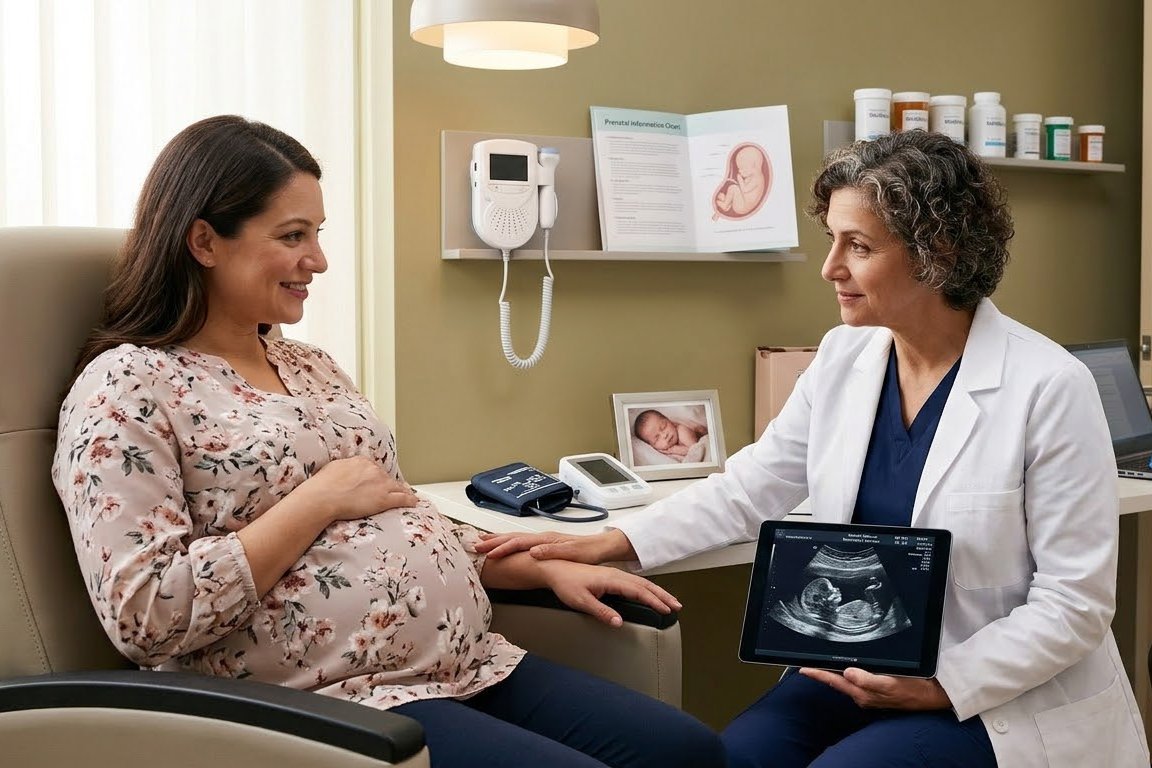
The benefit of early diagnosis is that it helps women understand the condition and act without delay. Timely treatment can support fertility planning, symptom management, and informed reproductive decision-making. Success depends on whether there is residual ovarian activity, the patient’s age, uterine health, associated hormonal findings, and the chosen treatment route.
Not exactly. It involves early ovarian dysfunction, but some women may still have intermittent ovarian activity.
It may be possible in some cases, depending on ovarian activity and individual fertility factors.
Irregular or absent periods, difficulty conceiving, and low estrogen symptoms may occur.
Diagnosis usually involves hormone testing, ultrasound, menstrual history, and fertility assessment.
Because fertility options may become more limited over time, and timely planning can be crucial.

Copyright © 2025 Sampurna Health Enclave Pvt Ltd All Rights Reserved.