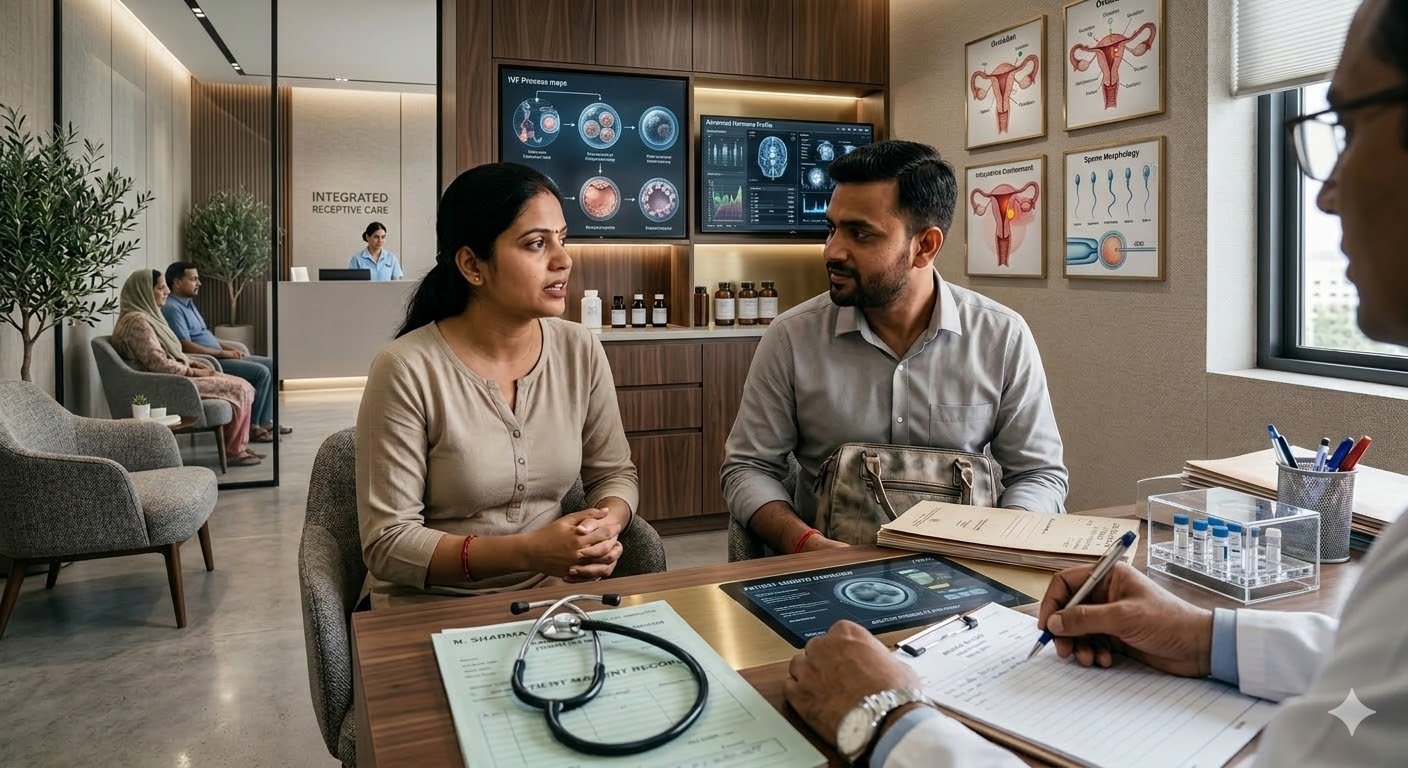
Uterine fibroids are common non-cancerous growths in the uterus that can affect menstrual health, pelvic comfort, and sometimes fertility. At She Delhi, we evaluate fibroids not only from a gynecological perspective but also from a fertility perspective, especially when a woman is trying to conceive or planning pregnancy.
Fibroids, also called leiomyomas, can vary in size, number, and location. Some fibroids do not cause symptoms at all, while others may lead to heavy periods, pelvic pressure, pain, repeated miscarriage, implantation difficulty, or distortion of the uterine cavity.
Not every fibroid needs surgery. At She Delhi, the treatment decision depends on the fibroid’s size, location, symptoms, effect on the uterine cavity, and impact on fertility or pregnancy planning.
Possible symptoms include:



At She Delhi, the decision to move to Uterine Fibroid Treatment is made only after proper consultation and investigation.
IVF is not just a medical procedure — it’s a journey filled with hope, resilience, and emotional strength. For many, it represents a second chance at building the family they’ve always dreamed of. With supportive care and advanced technology, IVF continues to be a beacon of possibility in the field of reproductive health.
Helping individuals and couples.
Helping individuals and couples.
Helping individuals and couples.
The doctor reviews symptoms, menstrual history, fertility goals, and prior imaging.
Fibroid size, number, and position are studied carefully, especially to see whether the cavity is affected.
Management may include observation, medical symptom control, fertility planning, hysteroscopic treatment, laparoscopic or open surgical management depending on the case.
If fertility is the concern, treatment is planned based on whether the fibroid may interfere with implantation, uterine cavity shape, or pregnancy outcomes.
Recovery, future fertility planning and conception timing are discussed after treatment.


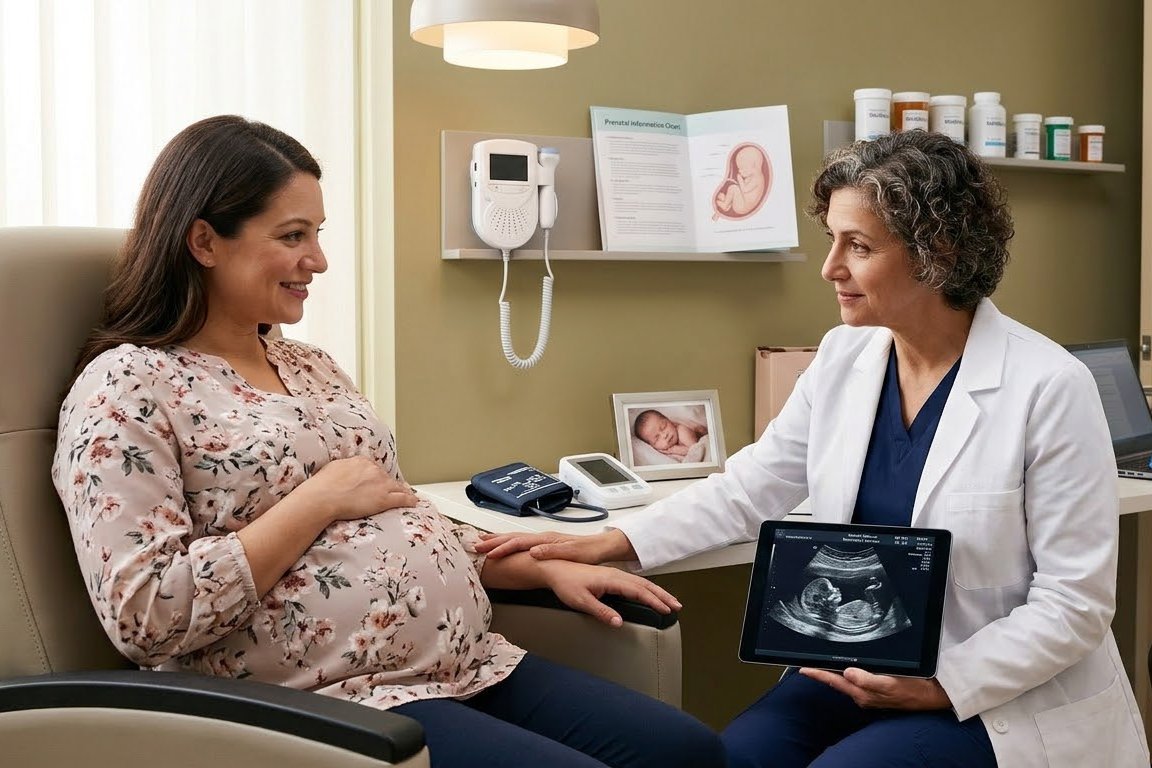
Appropriate fibroid treatment can help improve symptoms, reduce menstrual burden, and in selected cases improve fertility prospects. The benefit depends on the size and location of the fibroid, the type of treatment used, and whether infertility has multiple causes. A careful fertility-linked approach helps avoid both overtreatment and undertreatment.
No. The impact depends mostly on size, number, and especially location.
No. Many fibroids can be observed if they are small and not causing problems.
Some fibroids, especially cavity-distorting ones, may affect pregnancy outcomes.
Ultrasound is commonly used, and additional imaging may be advised when needed.
Many women do, depending on their overall fertility profile and the nature of the fibroid.

Copyright © 2025 Sampurna Health Enclave Pvt Ltd All Rights Reserved.