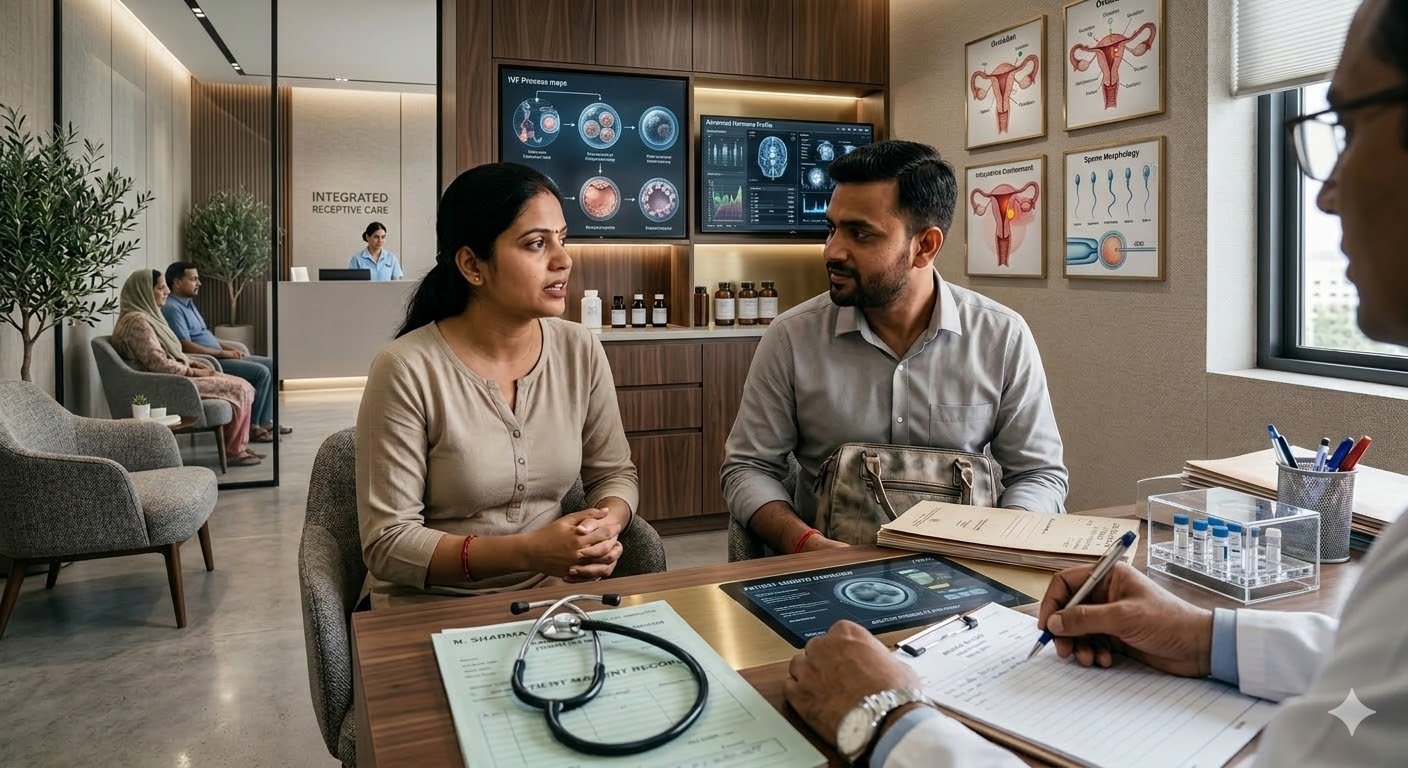
Blocked fallopian tubes can prevent the egg and sperm from meeting naturally, making conception difficult. At She Delhi, we evaluate tubal factors carefully and help patients understand whether they need medical treatment, surgical support, or advanced fertility treatment such as IVF.
The fallopian tubes play a key role in natural conception. If one or both tubes are blocked or severely damaged, natural pregnancy may become difficult or impossible depending on the extent of the problem. Tubal blockage may result from infection, previous pelvic surgery, endometriosis, pelvic inflammatory disease, adhesions, or other reproductive conditions.
At She Delhi, we do not treat all tubal block cases in the same way. Some women may benefit from further evaluation or surgery, while others may be better candidates for IVF, especially when both tubes are blocked or damaged.
Possible causes include:
Blocked tubes often cause no obvious symptoms and may only be found during infertility evaluation. Some women may have pelvic pain, infection history, or endometriosis-related symptoms.


Possible causes include:

At She Delhi, the decision to move to Blocked Fallopian Tubes Treatment is made only after proper consultation and investigation.
IVF is not just a medical procedure — it’s a journey filled with hope, resilience, and emotional strength. For many, it represents a second chance at building the family they’ve always dreamed of. With supportive care and advanced technology, IVF continues to be a beacon of possibility in the field of reproductive health.
Helping individuals and couples.
Helping individuals and couples.
Helping individuals and couples.
History, ultrasound, and fertility evaluation of both partners are done first.
Tests such as HSG or further imaging may be advised to identify whether one or both tubes are affected.
Not every report of tubal blockage means the same thing. The doctor correlates imaging findings with symptoms, fertility history, and overall reproductive planning.
Depending on the case, options may include observation, further evaluation, surgery in selected cases, or IVF when the tubes are severely affected.
The next step is chosen based on tubal condition, ovarian reserve, age, and other infertility factors.


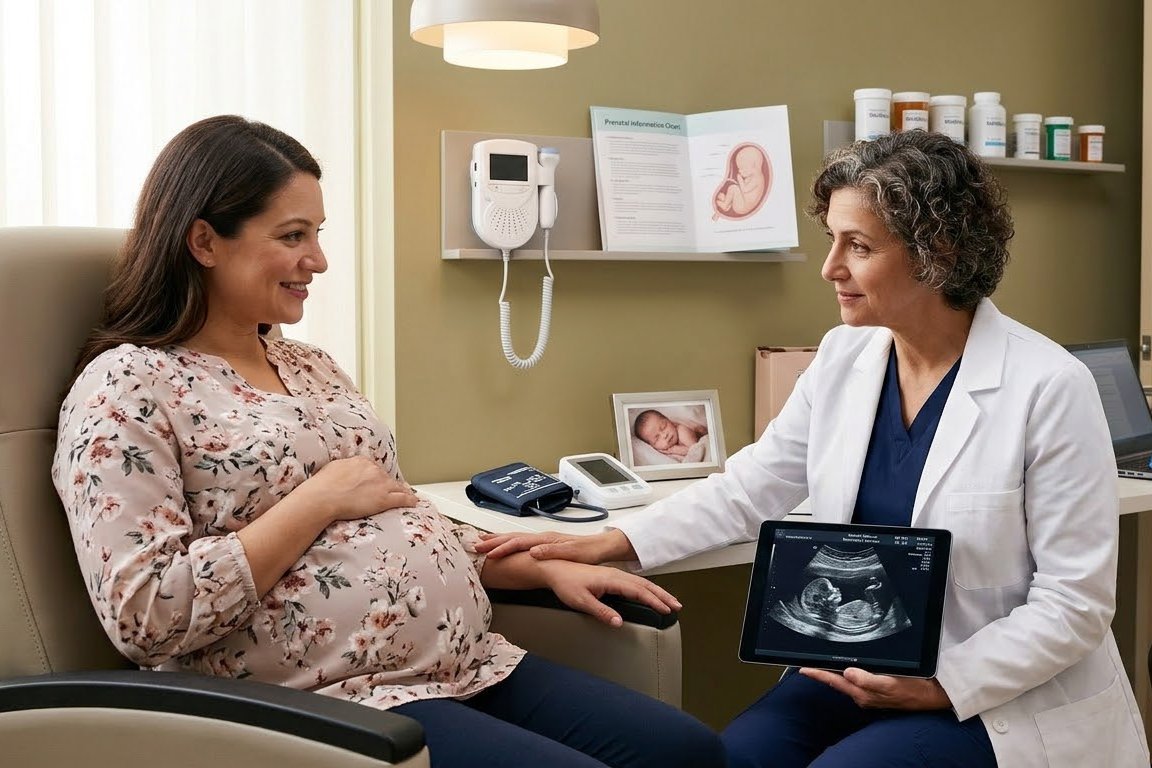
The benefit of proper tubal evaluation is that it prevents unnecessary delay. Instead of repeating ineffective attempts, couples can move toward the treatment most suitable for their diagnosis. Success depends on whether one or both tubes are affected, the extent of damage, age, ovarian reserve, sperm quality, and whether IVF is required.
Sometimes, depending on the site and severity of blockage, but many severe cases may require IVF.
Yes, in some cases natural conception may still happen if the other tube is healthy.
HSG and related fertility evaluations are commonly used.
Often they do not, though associated conditions may cause symptoms.
It is often one of the most effective options when both tubes are blocked or damaged.
A pregnancy test is generally advised after the recommended waiting period given by the treating doctor.

Copyright © 2025 Sampurna Health Enclave Pvt Ltd All Rights Reserved.