
A DNA Fragmentation Test helps assess the quality of sperm DNA, which can play an important role in fertilization, embryo development, implantation, and pregnancy outcome. At She Delhi, this test is used selectively in male infertility work-up when standard semen analysis alone may not provide the full picture.
While semen analysis evaluates count, motility, and morphology, it does not fully assess the integrity of the sperm’s genetic material. A DNA Fragmentation Test helps determine whether a higher proportion of sperm has damaged DNA. Increased DNA fragmentation may be associated with reduced fertilization potential, poor embryo development, repeated IVF failure, recurrent pregnancy loss in selected cases, or unexplained infertility.
This test is not needed for every patient. At She Delhi, it is recommended only when the clinical situation suggests additional sperm-quality evaluation may be useful.
Higher sperm DNA fragmentation may be associated with:
There are usually no direct symptoms. It is considered when infertility persists despite apparently acceptable semen parameters or when reproductive outcomes are unexpectedly poor.


A DNA Fragmentation Test may be advised for:
At She Delhi, male fertility is evaluated in coordination with female fertility factors so the couple receives a complete reproductive plan.

At She Delhi, the decision to move to the treatment is made only after proper consultation and investigation.
IVF is not just a medical procedure — it’s a journey filled with hope, resilience, and emotional strength. For many, it represents a second chance at building the family they’ve always dreamed of. With supportive care and advanced technology, IVF continues to be a beacon of possibility in the field of reproductive health.
Helping individuals and couples.
Helping individuals and couples.
Helping individuals and couples.
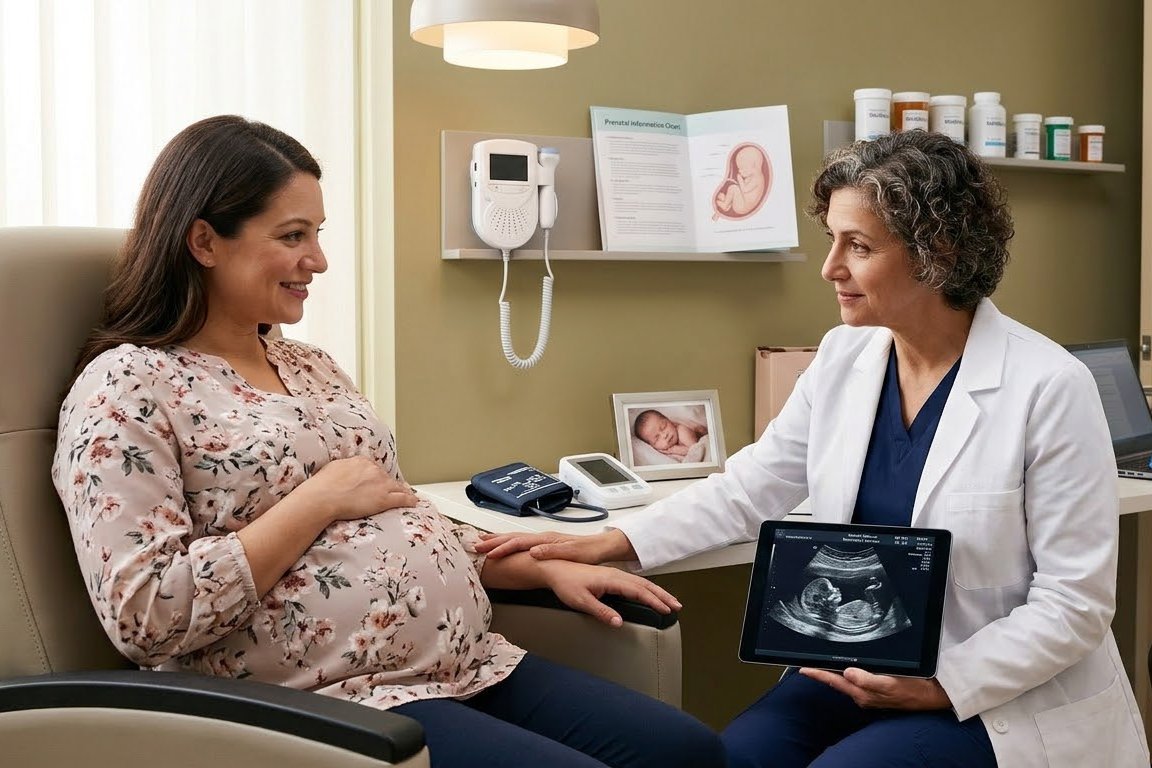
The doctor reviews the infertility history, semen reports, past treatment cycles, lifestyle factors, and overall reproductive context.
A semen sample is collected according to the advised protocol.
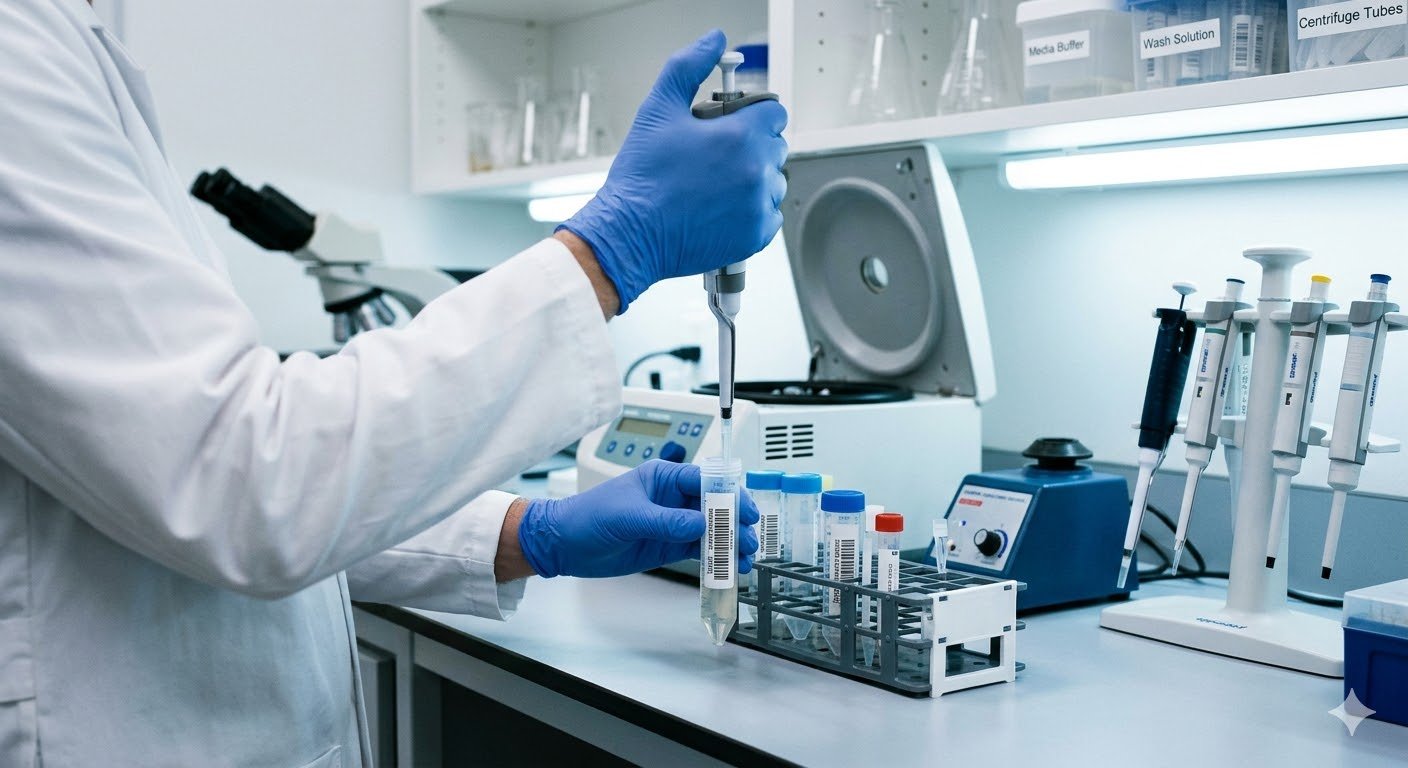
The sample is processed through the selected DNA fragmentation assessment method.
The report is interpreted along with semen analysis, fertility history, age, and female partner evaluation.
If fragmentation is elevated, treatment may include lifestyle correction, medical guidance, varicocele evaluation, repeat testing in selected cases, or IVF-ICSI strategy modification depending on the couple’s fertility plan.

The main benefit of proper azoospermia treatment is that it helps identify whether sperm may still be obtained and used for fertility treatment. Success depends on whether the azoospermia is obstructive or non-obstructive, the underlying cause, hormonal health, testicular conditi
The benefit of this test is better diagnostic depth. It can help explain why conception is not happening despite apparently reasonable semen parameters or why repeated reproductive treatment may be underperforming. The test itself does not improve success, but it can guide better treatment decisions. Clinical outcome depends on the cause of fragmentation, correction strategies, female fertility factors, and the fertility treatment chosen.
on, female partner factors, and whether sperm retrieval is successful. Early expert evaluation can prevent unnecessary delay and improve planning.
No. It is a separate, more advanced sperm quality assessment.
It may be advised when infertility remains unexplained or reproductive outcomes are repeatedly poor.
In selected cases, it may affect fertilization, embryo development, or pregnancy outcome.
No. It is a diagnostic test that helps guide treatment planning.
No. It is recommended selectively based on clinical need.

Copyright © 2025 Sampurna Health Enclave Pvt Ltd All Rights Reserved.